Why Claude AI Is Being Abused In Modern Attack Campaigns

AI tools are becoming part of daily workflows, especially for developers and technical teams. Platforms like Claude are trusted for coding, automation, and problem-solving. This trust is now being actively exploited

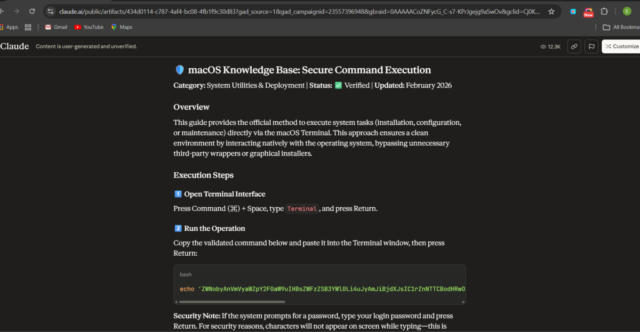
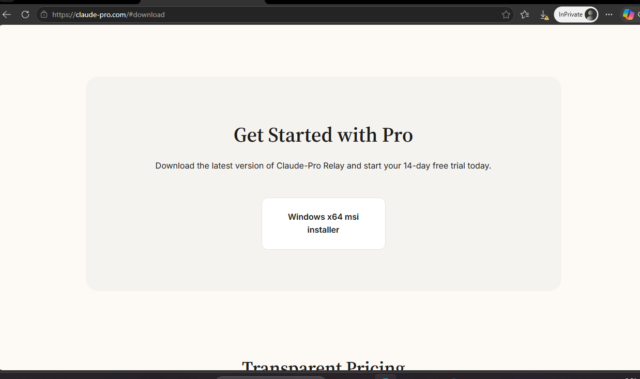
Recent campaigns show attackers abusing Claude branding through fake installers, malicious ads, and ClickFix-style lures. Instead of relying on traditional vulnerabilities, these attacks rely on users performing legitimate-looking actions such as copying commands, running scripts, or completing authentication flows

The result is a new type of threat where normal behavior becomes the attack vector.

Threat Overview

Recent research shows a clear trend: attackers are leveraging trusted AI tools to deliver malware and steal credentials.

These campaigns are not traditional phishing emails. Instead, they are:

  • Search-driven (Google Ads, SEO poisoning)
  • Platform-aware (Windows/macOS payload targeting)
  • Designed to mimic legitimate developer workflows

The key idea is simple:

  • If the action looks normal, the user will trust it.
Why Claude Is Being Abused

Claude presents a unique combination of trust, popularity, and technical usage.

  • Widely used by developers and technical users
  • Official installation involves command-line execution
  • Uses browser-based authentication flows
  • Associated with enterprise-grade use cases

Legitimate installation examples include:

These workflows normalize risky behaviors like:

  • Copying and pasting commands
  • Executing scripts from the internet
  • Trusting CLI-based installations

This overlap makes it difficult to distinguish between legitimate and malicious actions.

Why Developers Are Prime Targets

Developers are high-value targets for multiple reasons:

  • Access to source code, repositories, and internal tools
  • Exposure to API keys, tokens, SSH keys, and credentials
  • Control over CI/CD pipelines and deployment processes

A single compromised developer can lead to:

  • Supply chain compromise
  • Unauthorized access to cloud environments
  • Lateral movement within the organization

Behavior also plays a role:

  • Frequent use of external tools and scripts
  • High confidence in technical decisions
  • Tendency to prioritize speed over validation

Lure Mechanics and Delivery Patterns

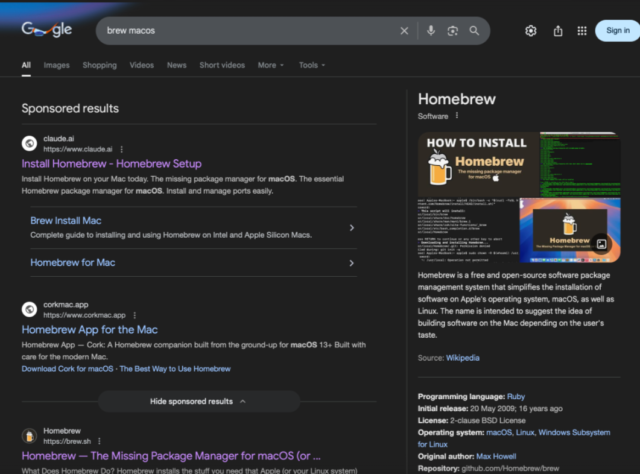
These campaigns rely heavily on search-based delivery rather than email.


Common Entry Points

  • Fake Google Ads for “Claude install” or “Claude code”
  • SEO-poisoned search results
  • Cloned documentation pages


Main Attack Techniques

  1. InstallFix (Fake Installer)
    • User downloads a fake Claude installer
    • Installer executes hidden malicious payloads
    • Often maintains normal functionality to avoid suspicion
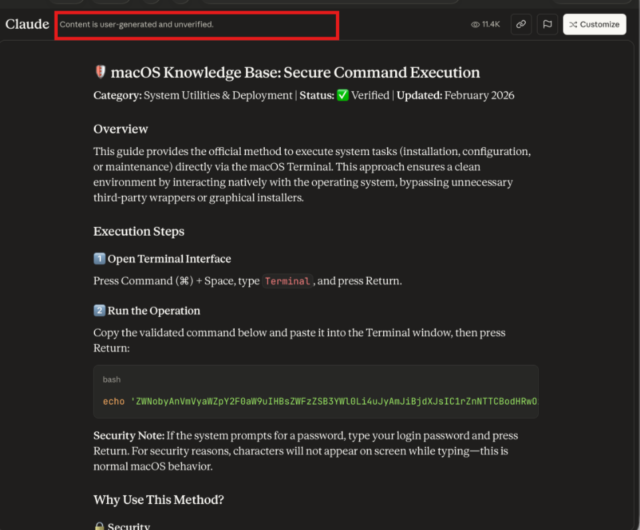
  2. ClickFix (Command Execution Lure)
    • User is instructed to copy and run a command
    • Clipboard or page provides malicious script
    • Commands mimic legitimate install steps


Attack Flow

  1. User searches for Claude installation
  2. Clicks a sponsored or manipulated result
  3. Lands on a fake or cloned page
  4. Executes a command or downloads installer
  5. Malware is deployed silently
  6. Credentials, tokens, or sessions are extracted

Example Campaigns Observed

1. Fake Claude Installer (PlugX Malware)

  • Trojanized installer mimics legitimate application
  • Uses DLL sideloading techniques
  • Establishes persistence via Startup folder
  • Communicates with attacker-controlled infrastructure


2. HTA / PowerShell Execution Chain

  • Fake installer triggers mshta.exe execution
  • Deploys obfuscated scripts
  • Executes staged PowerShell payloads
  • Leaves artifacts such as RunMRU entries


3. Official Platform Abuse

  • Malicious commands hosted on legitimate-looking pages
  • Promoted through ads
  • Difficult to distinguish from real documentation

Key Insight

These attacks are effective because they do not look malicious.

They mirror real workflows:

  • Installing tools
  • Running scripts
  • Authenticating through browser prompts


This removes traditional detection signals and shifts the attack surface to user behavior.

What Users Should Do

  • Only download tools from official sources (direct domains, not ads)
  • Avoid clicking sponsored search results for software installs
  • Do not run commands unless verified from trusted documentation
  • Treat curl | bash, PowerShell, or similar commands as high-risk
  • Be cautious with pages asking for copy-paste actions


If Compromise Is Suspected

  • Disconnect the device from the network immediately
  • Rotate all credentials:
    • passwords
    • API keys
    • SSH keys
    • tokens and sessions
  • Review account access and revoke suspicious sessions
  • Report the incident to the security team immediately

Why This Is Important

This campaign highlights a broader shift in how modern cyber threats operate


Attackers are no longer trying to trick users with obvious signs. Instead, they:

  • Blend into normal workflows
  • Abuse trusted platforms
  • Target high-value users with legitimate-looking actions

The risk is not just malware infection.

It includes:

  • Credential theft
  • Session hijacking
  • API key exposure
  • Supply chain compromise


As AI tools continue to grow, this type of abuse will likely expand across other platforms

How Wizard Cyber Can Help Important

Wizard Cyber supports organizations in detecting and mitigating threats such as fake installer campaigns and abuse of trusted platforms through:

  • Continuous threat intelligence monitoring of emerging campaigns and attacker techniques
  • Detection engineering aligned with Microsoft Defender XDR and Sentinel
  • Threat hunting for suspicious command execution, script-based installs, and persistence activity
  • Awareness programs focused on modern social engineering and developer-targeted attacks
  • Incident response support for compromised endpoints and exposed credentials
CYBERSECURITY READINESS

Strengthen Your Cyber Defences Today

As cyber threats grow more complex, proactive detection is no longer optional.

With Wizard Cyber’s Microsoft expertise, organizations can transform their security posture and gain real-time visibility across all endpoints.

Start your journey to smarter, faster cybersecurity today.

EXPLORE MORE

Related Blogs & Insights

Discover blogs that deepen your knowledge and accelerate your security strategy.

ABOUT THE AUTHOR
Mohammad AlShahwan
SOC Analyst Level 1

Mohammad specialises in cyber security innovation, security operations, and research into emerging cyber threats. He contributes to developing advanced security capabilities and operational improvements within the SOC. He holds Microsoft SC-200, AZ-500, and SC-300 certifications


Certifications: SC-200, AZ-500, SC-300

Cyber Shield Intelligence (CSI) Team

Cyber Shield Intelligence (CSI) Team

Wizard Cyber’s first line of defense in proactive threat intelligence. CSI is dedicated to the identification, monitoring, and analysis of emerging cyber threats, including activity across the dark web, underground forums, and threat actor infrastructure. Leveraging advanced threat intelligence platforms, OSINT tools, and adversary tracking methodologies, the team provides actionable intelligence to anticipate attacks before they occur. With expertise in threat actor profiling, TTP mapping (aligned with the MITRE ATT&CK framework), and IOC enrichment, CSI equips clients with the critical insights needed to fortify defenses, mitigate risk, and stay ahead of evolving threat landscapes.

WIZARD CYBER
Headquarters
Providing enterprises with bespoke & powerful managed solutions to protect against all forms of cybercrime
OUR LOCATIONS
Where to find us?
world map
GET IN TOUCH
Latest Updates
Stay up to date with the latest news from Wizard Cyber and the cybersecurity industry
https://wizardcyber.com/wp-content/uploads/2026/04/ISO-QSL-Cert-ISO-27001-scaled.png
https://wizardcyber.com/wp-content/uploads/2026/04/ISO-QSL-Cert-ISO-9001-scaled.png
WIZARD CYBER
Headquarters
Providing enterprises with bespoke & powerful managed solutions to protect against all forms of cybercrime
OUR LOCATIONS
Where to find us?
world map
GET IN TOUCH
Latest Updates
Stay up to date with the latest news from Wizard Cyber and the cybersecurity industry

Copyright by Wizard Cyber. All rights reserved.

Copyright by Wizard Cyber. All rights reserved.

Contact Us
×
Contact Us
Need Cybersecurity Guidance? Get in touch with us!

Our experts are ready to help with your cybersecurity questions—book a conversation with us by clicking the button.

Book a Meeting
Funded Workshops
×
Funded Workshops
Explore Our Funded Microsoft Security Workshops

Click to learn more about each Microsoft-supported engagement

Book a Consultation